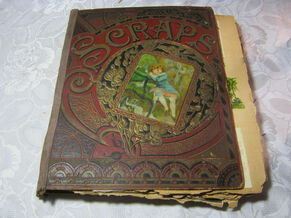
 Scrap Book, image ebay.co.uk
 Our last entry was about marbles, a pastime mostly popular, but not exclusively, with boys. Scrap collecting may have been be more of a girl’s pastime but perhaps there are some boys out there who may own up to having had a collection at one time or another. Some female members of Queensferry History Group still have their childhood collection of paper scraps, a few are illustrated here and we are sure many of our followers still have theirs too and remember their favourites and swapping scraps in the playground.
Images below from private collections, Queensferry History Group
Images below from private collections, Queensferry History Group

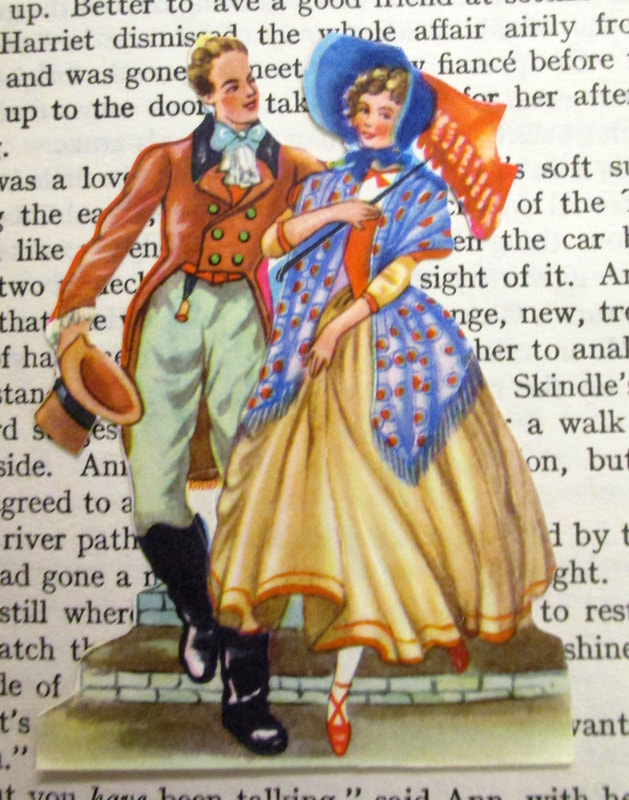
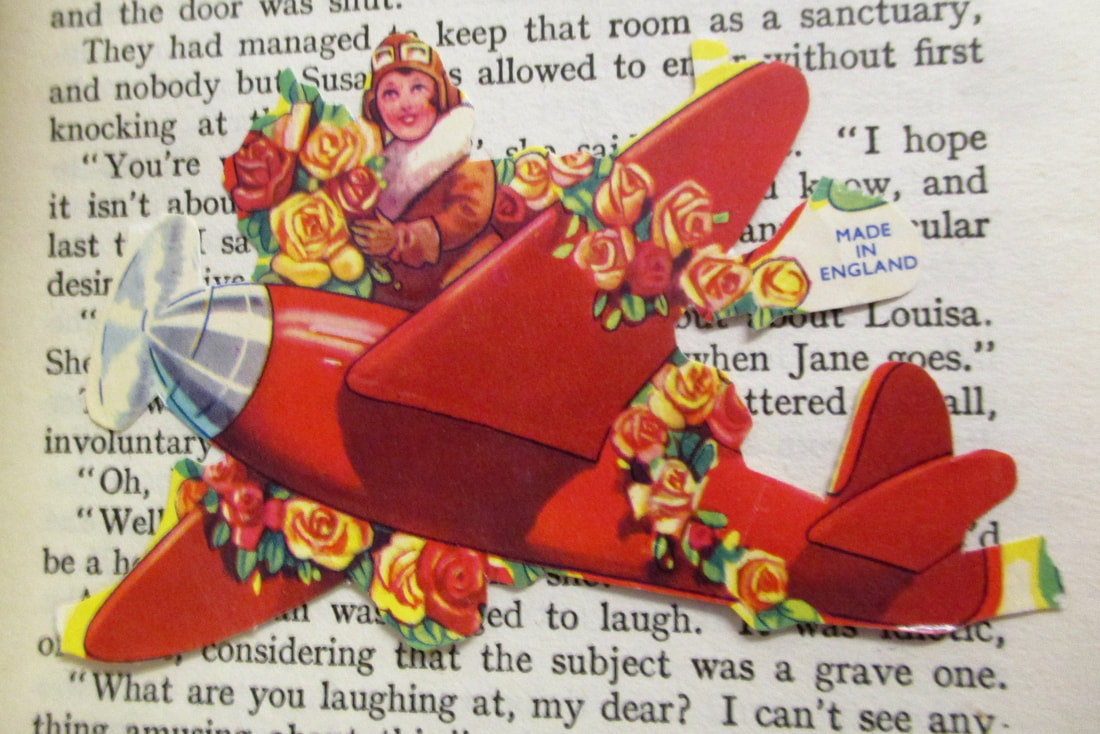
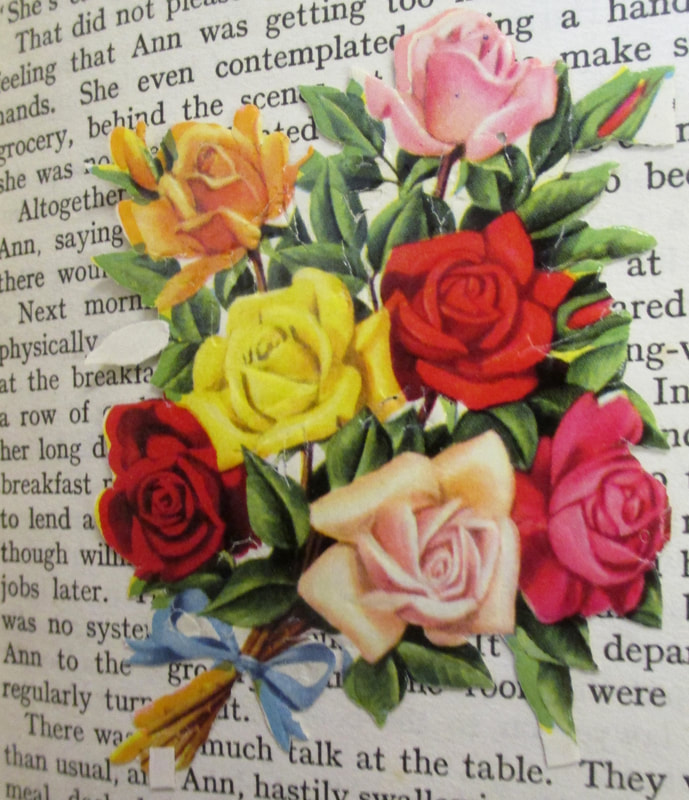


Scraps are small paper images printed lithographically. They have been produced in America, Germany, Scandinavia and more recently England. The German printers were the finest and most prolific producers of scraps in Europe.
The process of lithograph was invented in 1798 by a German playwright, Alois Senefelder who patented the lithographic printing process in 1799. Needing to print a play he had written, but unable to afford publication costs, Senefelder experimented with printing from a polished stone that he etched himself. The process worked, and soon he turned this experiment into a novel technique called lithography, which does not require any etching at all, an artist could draw directly on the stone, which then, with proper treatment, could be used to print the image. Senefelder’s discovery changed the face of the printing industry.
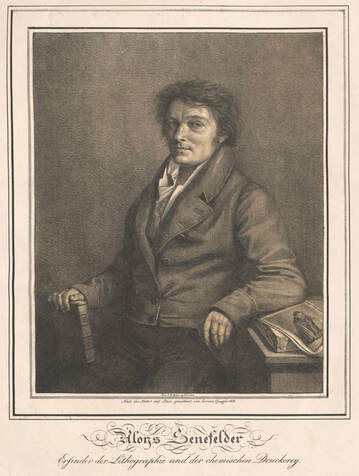
Image Alois Senefelder, Wikimedia Public Domain
The vast majority of scraps have been printed using the lithographic techniques. Black or single colour lithographs were produced for several decades, and any colour applied by hand, until the invention of chromolithography in 1837, when up to 20 colours could be applied with separate single plates for each colour.
After printing the scrap sheets they went through two other processes. The first, embossing, gave the sheet a raised 3D appearance and coated with a gelatine and gum film to enable the paper to stretch without cracking or tearing and this gave a glazed sheen. Then the punching stamping process was used to cut away all the surplus area of paper from the design. After this the sheets were separated into 1000 sheet swags ready for wholesale distribution. The most expensive scraps were finished with gold leaf.
Images below from private collections, Queensferry History Group
After printing the scrap sheets they went through two other processes. The first, embossing, gave the sheet a raised 3D appearance and coated with a gelatine and gum film to enable the paper to stretch without cracking or tearing and this gave a glazed sheen. Then the punching stamping process was used to cut away all the surplus area of paper from the design. After this the sheets were separated into 1000 sheet swags ready for wholesale distribution. The most expensive scraps were finished with gold leaf.
Images below from private collections, Queensferry History Group
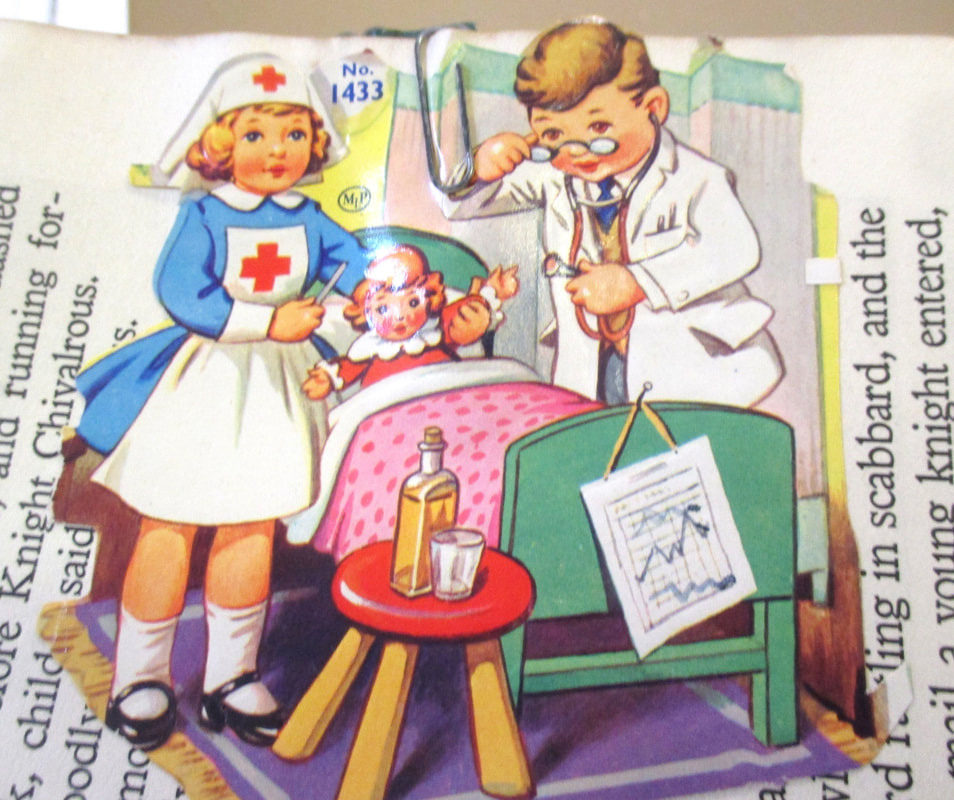
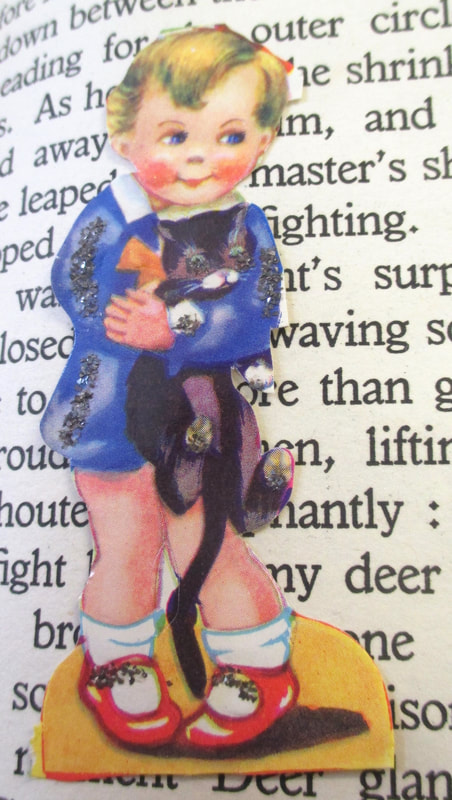
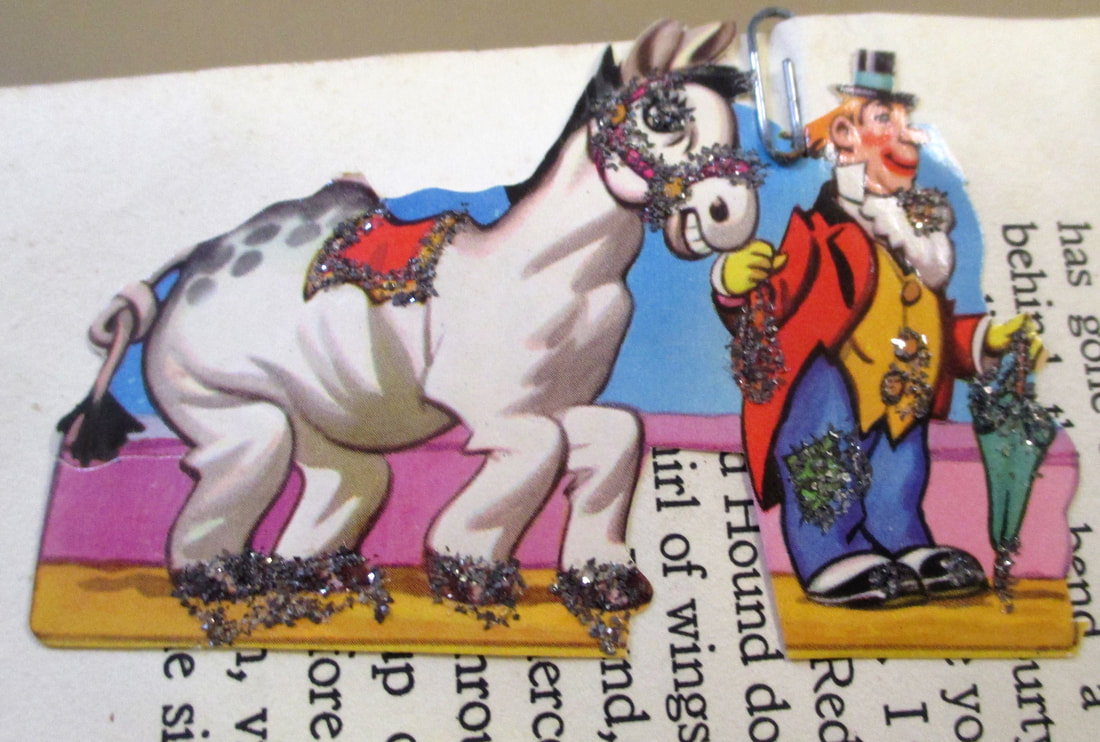
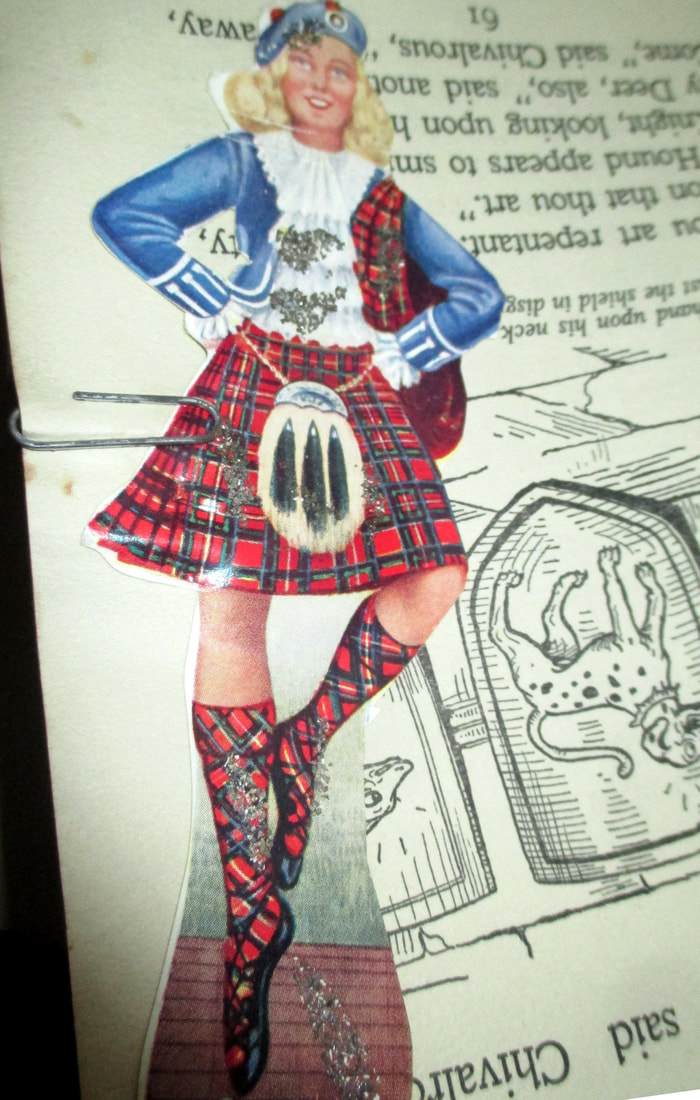
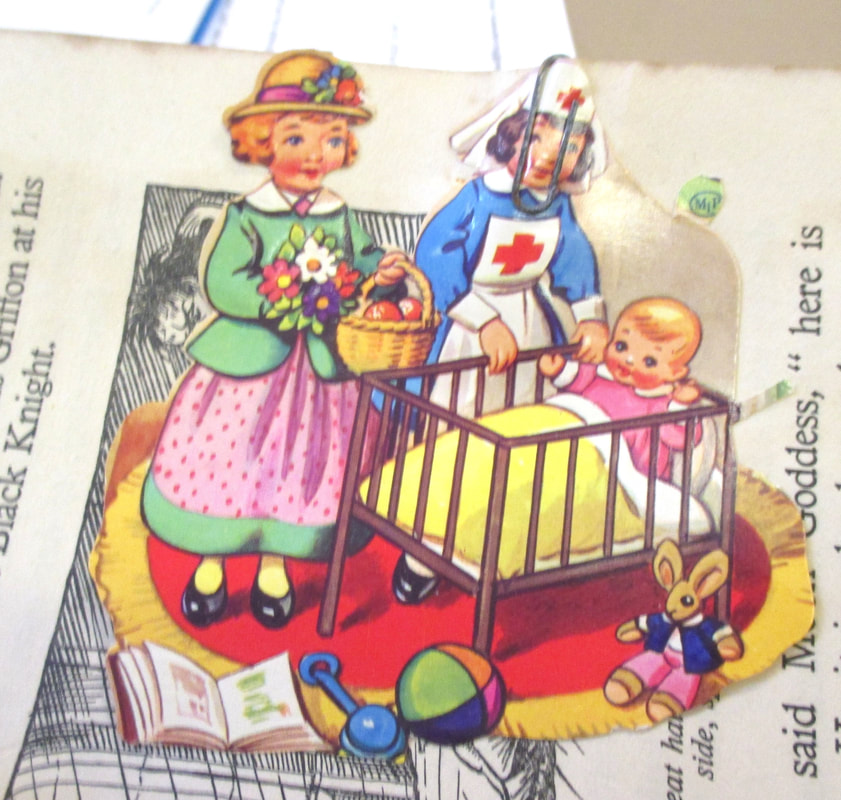

Victorian paper scraps were initially used in German bakeries to decorate cakes and confirmation wafers. They went on to use them on biscuits and cakes for the festive season and people began to collect them. This grew into a demand for them for party cakes and all occasions.
They soon found their way to family albums and personal journals, as people used them to decorate the chronicles of their travels, visitors, their daily lives and important events of the day.
From the 1880’s it was common for children and adults to use small reliefs to decorate personal greetings cards and gifts. This led to Valentines and reliefs were used to add colour to their lacy embossed surface of the cards.
Colourful paper scraps and Dresden foil die cuts were also used to embellish greeting cards, valentines, and ornaments to celebrate important holidays, such as Christmas and Easter.
They soon found their way to family albums and personal journals, as people used them to decorate the chronicles of their travels, visitors, their daily lives and important events of the day.
From the 1880’s it was common for children and adults to use small reliefs to decorate personal greetings cards and gifts. This led to Valentines and reliefs were used to add colour to their lacy embossed surface of the cards.
Colourful paper scraps and Dresden foil die cuts were also used to embellish greeting cards, valentines, and ornaments to celebrate important holidays, such as Christmas and Easter.
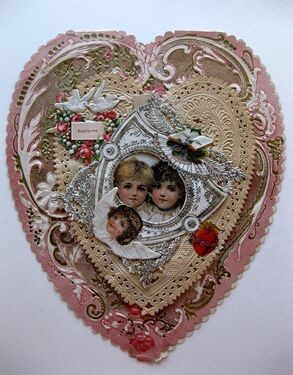
Victorian Valentine Card - ebay.co.uk
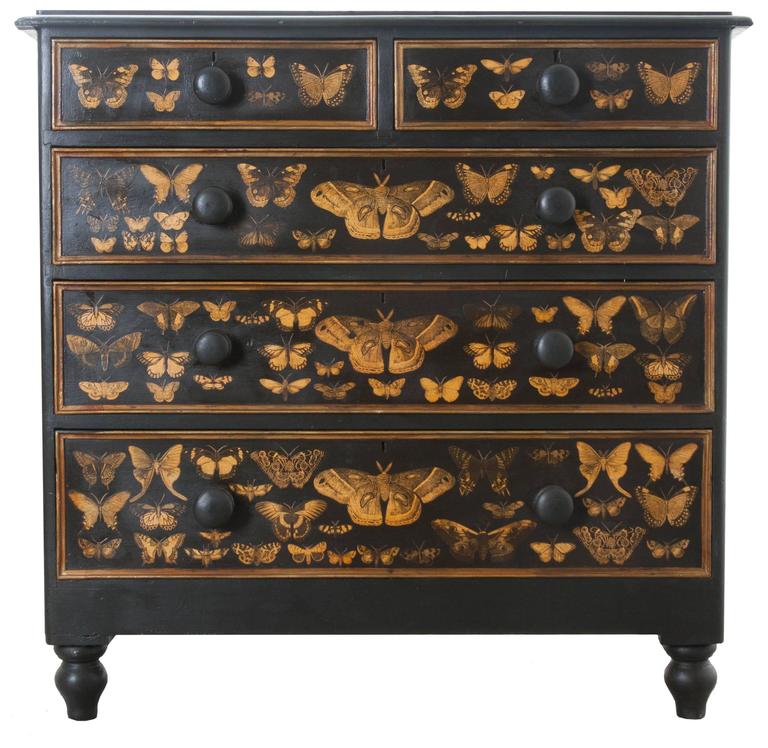
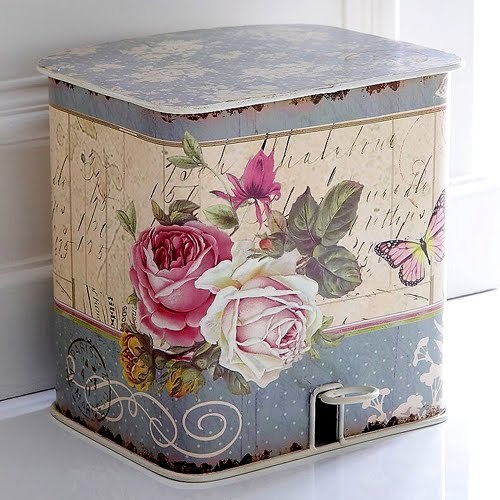
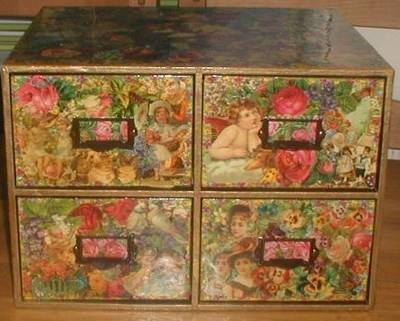
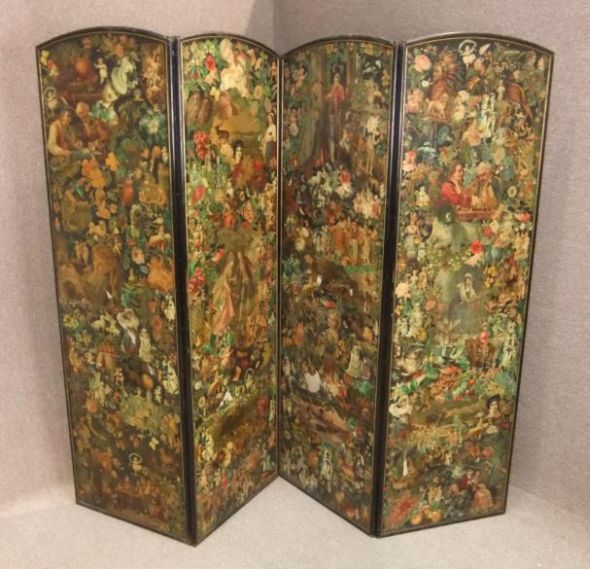
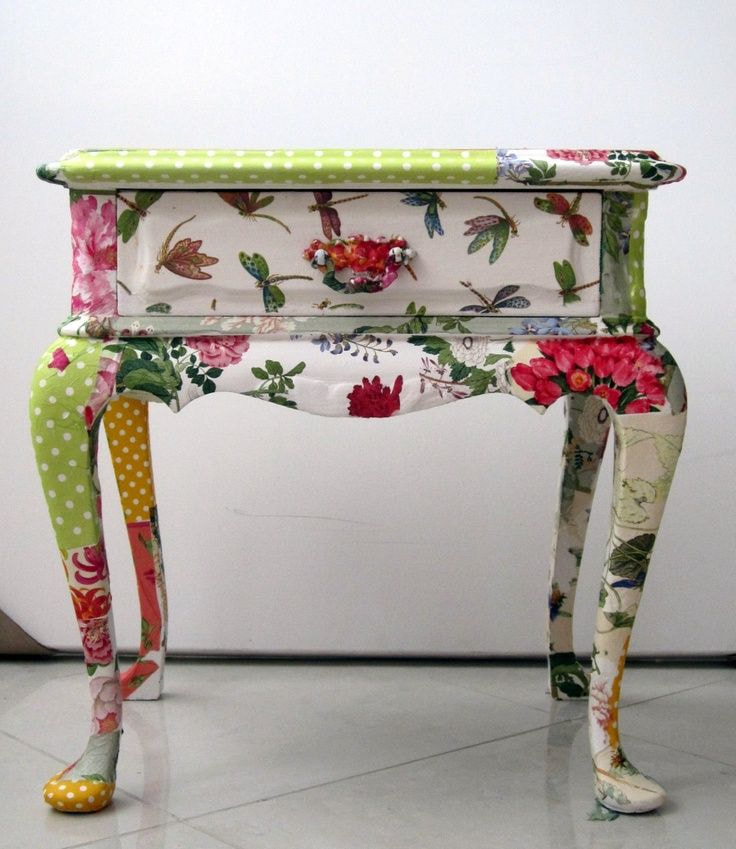
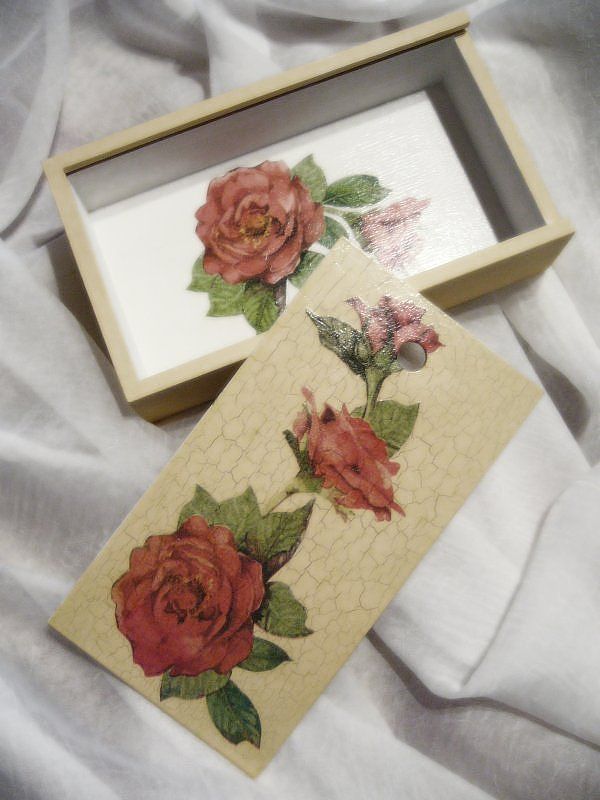
Scraps were widely used towards the end of the 19th century to produce fancy boxes such as gift boxes, and souvenir boxes. From the beginning of the 19th century they were used in the decoupaging of trays, screens, boxes and furniture. Reliefs were also often used as educational aids in school.
hover cursor over images below to read description.
hover cursor over images below to read description.
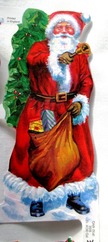
In the 1930’s/ 40’s, Christmas stockings in the UK had a colourful Father Christmas scrap on the outside of the stocking.
Private collection, Queensferry History Group
They can be purchased as Vintage and new designs are still being printed in Germany and Britain, in the same manner they have been made since the 19th century.
One British based manufacturer is Mamelok who originate from Breslau, now known as Wroclaw, in Poland, and was launched in the first half of the 19th century. One of the first commercial colour printing companies, Mamelok developed as a publisher by selling religious pictures (also known as oleographs) and embossed scrap reliefs. The company came to London in 1940 and moved to Bury St Edmunds in 1968 before buying a German company called Heilbronn und Pinner (known as H&P Decorations). They are now based just outside Cambridge. Their website, for anyone who wishes to continue or start their collection is -www.mamelok.com
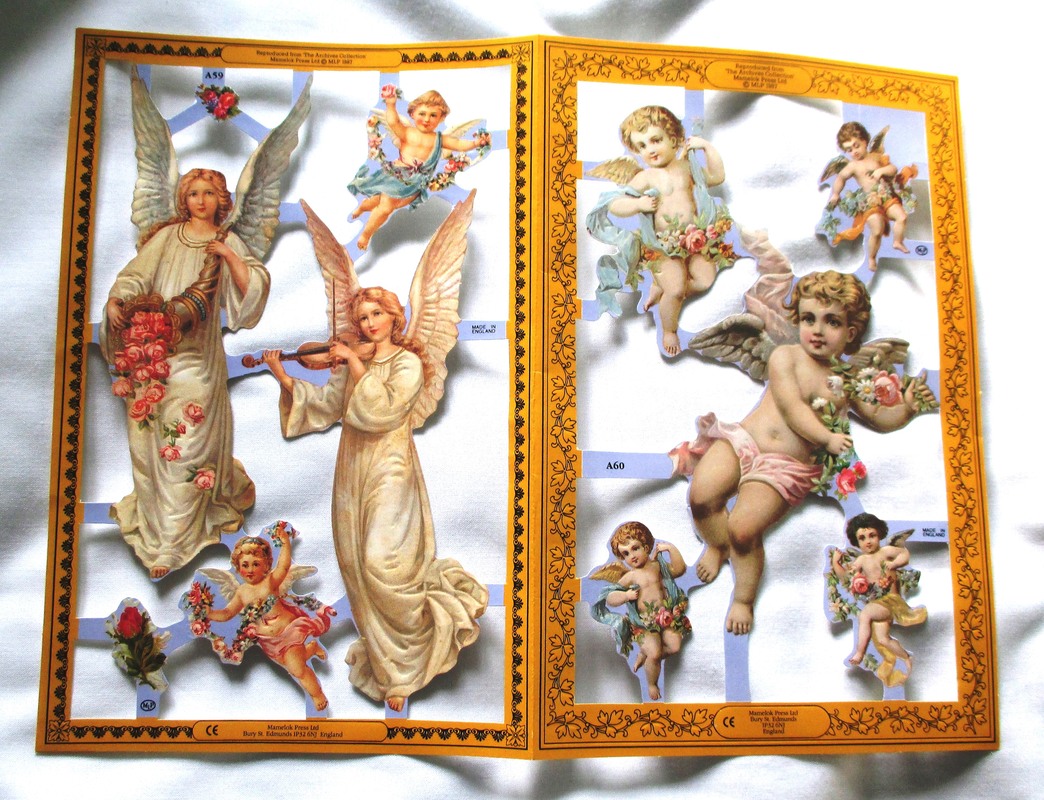
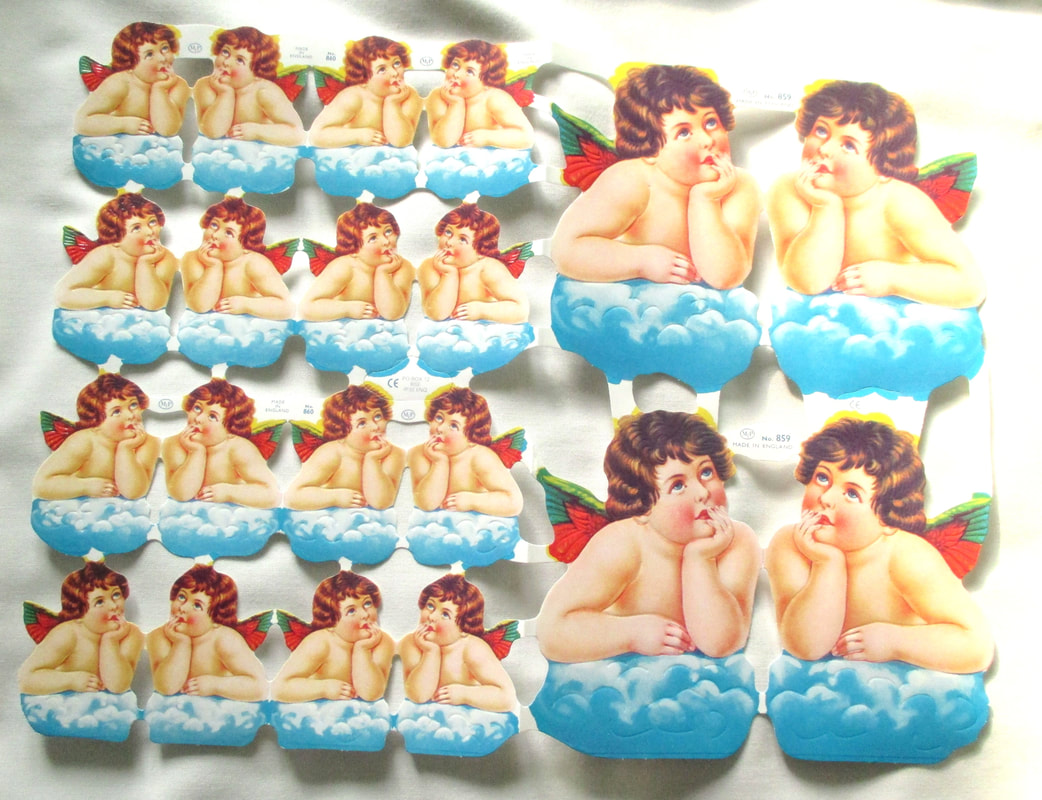
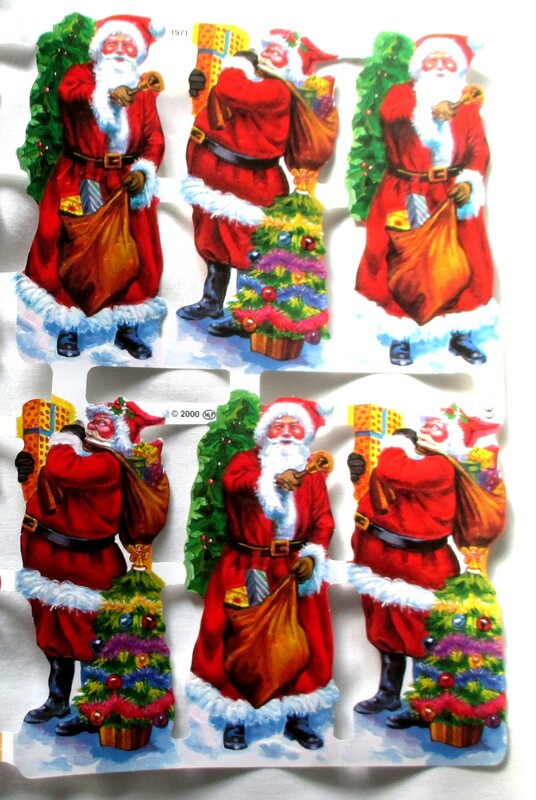
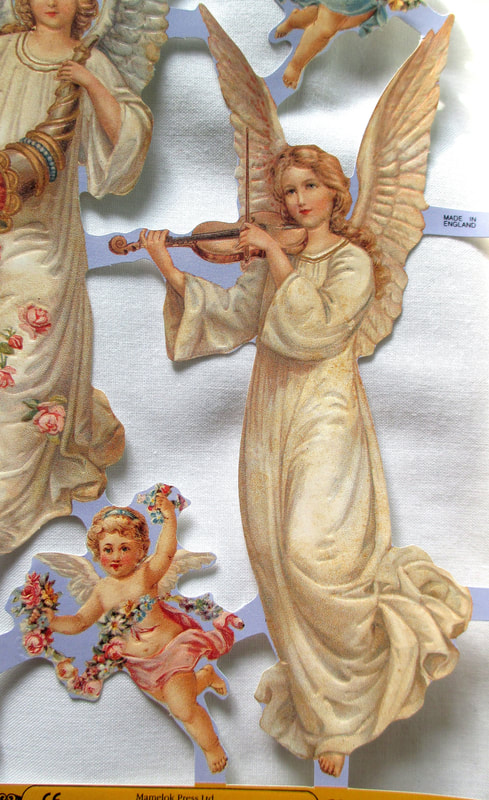
Below are some inexpensive scraps recently produced by Mamelok.
A selection of Vintage Scraps (not those below) can be purchased at ..............
SweetScrapsTreasures on Etsy
One British based manufacturer is Mamelok who originate from Breslau, now known as Wroclaw, in Poland, and was launched in the first half of the 19th century. One of the first commercial colour printing companies, Mamelok developed as a publisher by selling religious pictures (also known as oleographs) and embossed scrap reliefs. The company came to London in 1940 and moved to Bury St Edmunds in 1968 before buying a German company called Heilbronn und Pinner (known as H&P Decorations). They are now based just outside Cambridge. Their website, for anyone who wishes to continue or start their collection is -www.mamelok.com
Below are some inexpensive scraps recently produced by Mamelok.
A selection of Vintage Scraps (not those below) can be purchased at ..............
SweetScrapsTreasures on Etsy


©Queensferry History Group 2019
